
Potatoes, Parables and Disability
A Sunday reflection for Disability Pride Month

(This reflection was shared as part of Sunday worship at Stairs Memorial United Church in Dartmouth, Nova Scotia.)
If I held up a potato, and I told you that this root crop could teach us about disability pride month and the Gospel, what would you think?
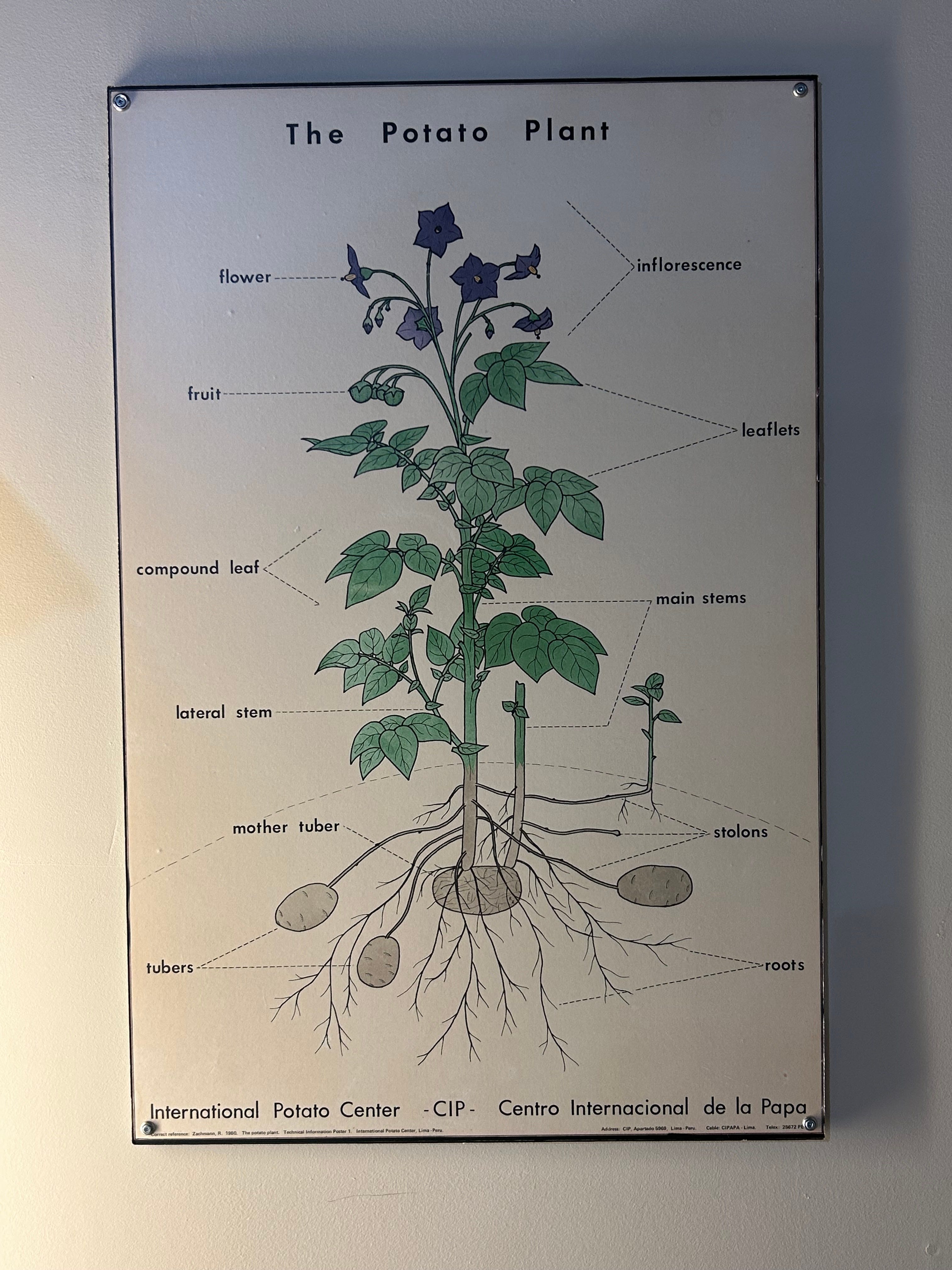
How many of you have ever had to carry a bag of potatoes? And not a small clear produce bag of potatoes, but a good-sized bag, maybe 5, 10, even 20 kilograms? It’s heavy, the bags aren’t always sturdy, and sometimes the ones at the bottom are a little past their expiration date. I’m going to raise my hand for the latter, so you won’t have to feel embarrassed.
Now imagine that you have a potato sack strapped to each of your legs, and someone told you to walk forward. What do you think that would be like?
What if someone started adding more and more potatoes to the bag as time went by?
I’m bringing this up because this is part of my own experience with disability. As someone with hereditary spastic paraplegia- an upper motor neuron condition that affects gait and balance and muscle/nerve function- it is often compared to walking with your pants being filled with potatoes. Sometimes it happens very young, and in other cases, people don’t have major symptoms for a long time. It gradually results in increased muscle reflexes, and many folks lose the ability to walk and maintain some physiological functions. I know people with HSP who walk, and those who don’t; I know some who have deep physiological changes and depend on others for assistance, and others who live a very active and independent life.
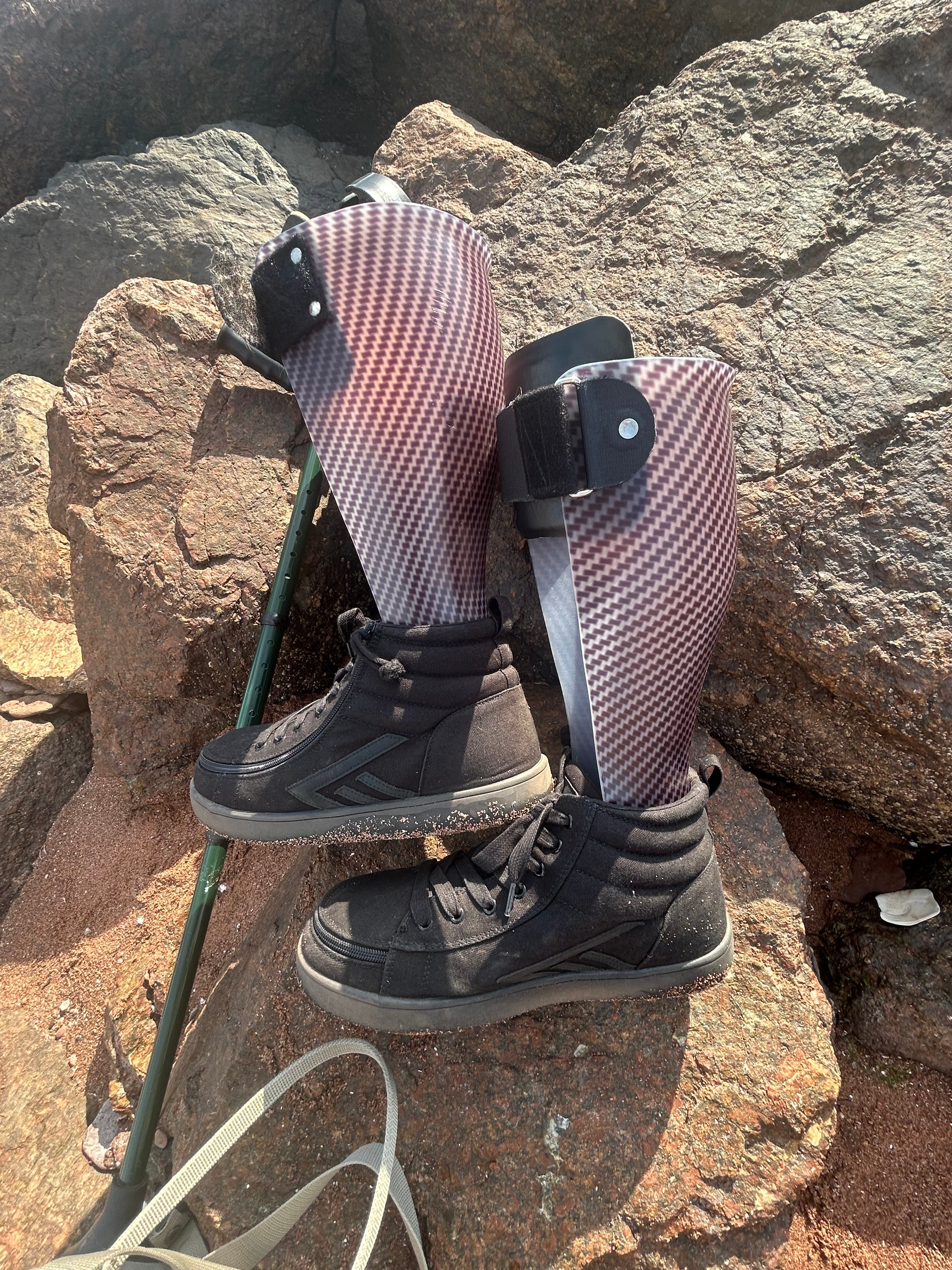
It raises the question: how do you have pride for something that is progressive, challenging and increasingly difficult? It is one thing to have pride for a disability that you are born with, and live your entire life with; it is another to have pride for something that comes later in life. This is a question that individuals with disabilities constantly discuss. And it’s a question that today’s Gospel- the parable of the weeds- can help us think more about.
In the reading today, it’s a bit like last week’s Parable of the Sower- there is a parable, and then a pause, and then an explanation. We hear about good seeds being sown in a field, only to be interrupted by an enemy planting of weeds. We don’t know who the enemies are, and why they did it; we only know that there is more than one kind of plant being grown in the field. And it’s at a point where if the weeds are uprooted, everything will be uprooted, so they have to wait for the weeds to grow, be collected, and eventually be destroyed.
After pausing to talk about mustard seeds and yeast, and explaining why he talks in parables, Christ comes back and explains that the Son of Man- is the sower of good seeds, and evil is the planter of weeds. It’s an entire allegory of what happens at the end of time, but the message is blunt: plant weeds, or be a weed, and you’re going to face quite an ending.
To some, it may seem pretty simple.
By definition, weeds are plants that are seen as not belonging, are competition for resources, and are undesirable. Weeds complicate things. They disrupt our ideas of order.
Weeds are not plants that were born weeds. Weeds are plants that happen to be somewhere else among a group of plants that don’t look like the others.
There are many groups of folks throughout history who are seen as weeds. And among those groups of people are our neighbours with disabilities, whom history has treated like a plant to be removed or even eradicated.
Historical practices like eugenics, forced sterilization, euthanasia and institutionalization, seen as necessary at the time, did nothing good for people with disabilities, nor did it truly benefit anyone without a disability. Continued issues of accessibility, medical access and dignity are continuing with this historic mentality, along with a backlash against issues of diversity and inclusion.
There are some who might say that those who try to eliminate the weeds, are the ones who must be the weeds. And in anger and frustration, might suggest that they are the weeds that need picking and removal.
But in today’s Gospel, we must remember the parable: if we pull and burn the weed, we pull the harvest in the process. Because we are all made in God’s image, and no human on earth is a weed in the eyes of Christ.
Still, there are issues on this eon this earth that we can’t ignore. And this is where I’m going to go back to the potato.
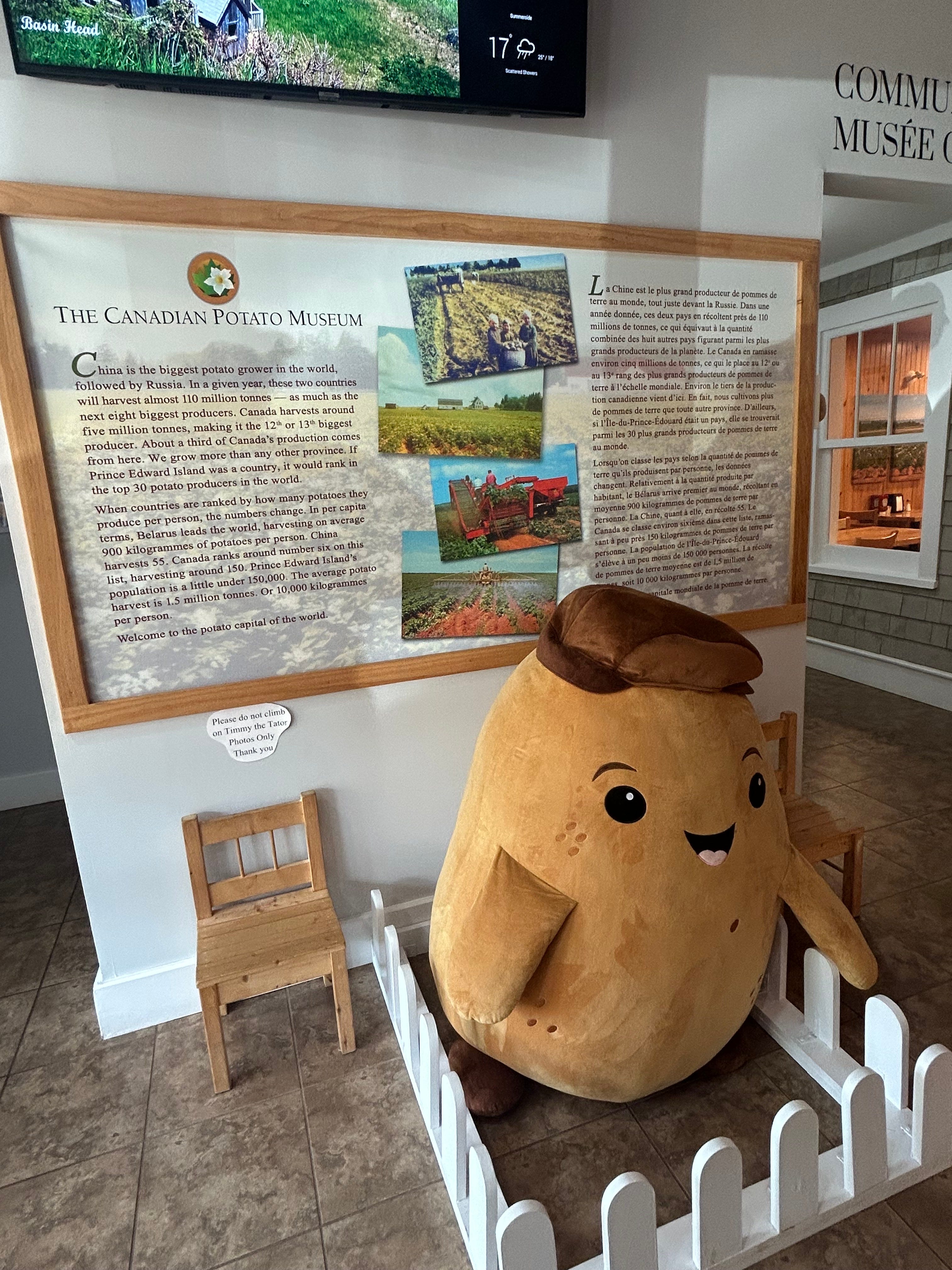
Last Tuesday, I visited the Canadian Potato Museum in O’Leary, Prince Edward Island with my family. The first thing we saw, funny enough, were five giant bags of potatoes being hauled into their cafe. But at the Potato Museum, you learn about the potato from its origins to its modern production. The potato is powerful. Many types, shapes, functions and benefits. You learn about how potatoes made it possible to people to survive without getting scurvy, the ways in which scientists worked to develop new varieties, and the critical nature of the plant in our world’s history and culture.
And then there is a section of the museum where at least twenty different cross-sections of model potatoes are sitting in little coffins. These, my friends, are part of the exhibit on potato blight.
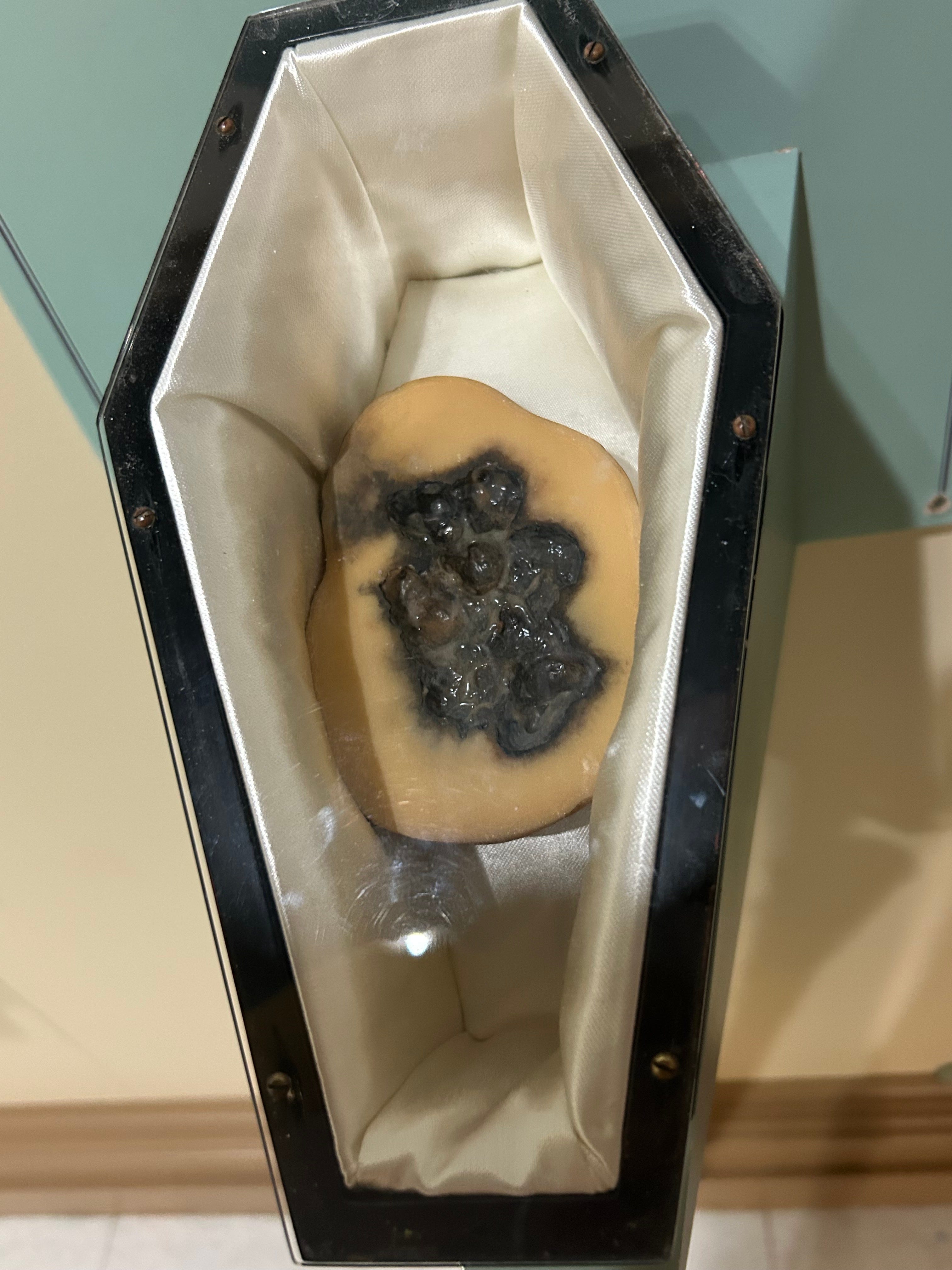
Once the silliness of the mini potato coffins subsides, a visitor can learn about all of the ways that a potato can be damaged and affected by blight. Fungus. Disease. Grubs. Slugs. Beetles. Blight is something that- as we know from Irish history- can completely uproot and disrupt a society. It comes in a variety of forms, and it is more than just one bad potato; it affects an entire area, and has effects beyond one potato patch. The effects can be felt for decades or even centuries.
Potato blight is kind of like ableism. It comes in a wide variety of forms, and it takes a potato- an inherently good, beneficial and game-changing thing- and completely keeps it from being that presence to others. Disability is like that; it is our society, and our attitude, and our actions that lead to people being disabled. Not the condition they are born with or acquire, but the way in which we respond to the condition. Disability is not a blight, just like those living with disabilities are not weeds.
This is rooted in today’s Gospel. The field that Christ sowed was good, and that means that all the potatoes of the world were good, regardless of how they looked, their size, or how many they fed. And it takes a lot of work to make sure that all the potatoes of the field can thrive.
After learning about the varieties of blight that could affect a potato field, the Potato Museum exhibit focused on things that were being done over time to ensure that blight was as close to being eliminated as it could. Scientists looked at how to create opportunities for healthier, more resistant potato plants. Technologists used drones to examine where exactly on a potato field there was less growth. Think about how much assistive technology has developed over the years, ranging from the first folding wheelchair to robotic exoskeltons that allow people with disabilities to gain more motion. In either case, the same discussion arises: how can we make things better without causing more harm than good?
That’s a question for Disability Pride Month: how do we embrace and welcome those with disabilities while recognizing that they are part of the same field as ourselves?
How we do work against the blights of injustice, apathy and indifference?
And how do we point out blight without throwing away the entire crop altogether?
Disability and pride are the opportunity to highlight the richness, value and worth of its community members. Because they are inherently good, beloved, and bring us more than we could ever imagine to be possible. And they will continue to be so no matter the blights that come in the future.
Amen.